
What the people who’ve seen everything (and I do mean everything) wish every dog owner knew.
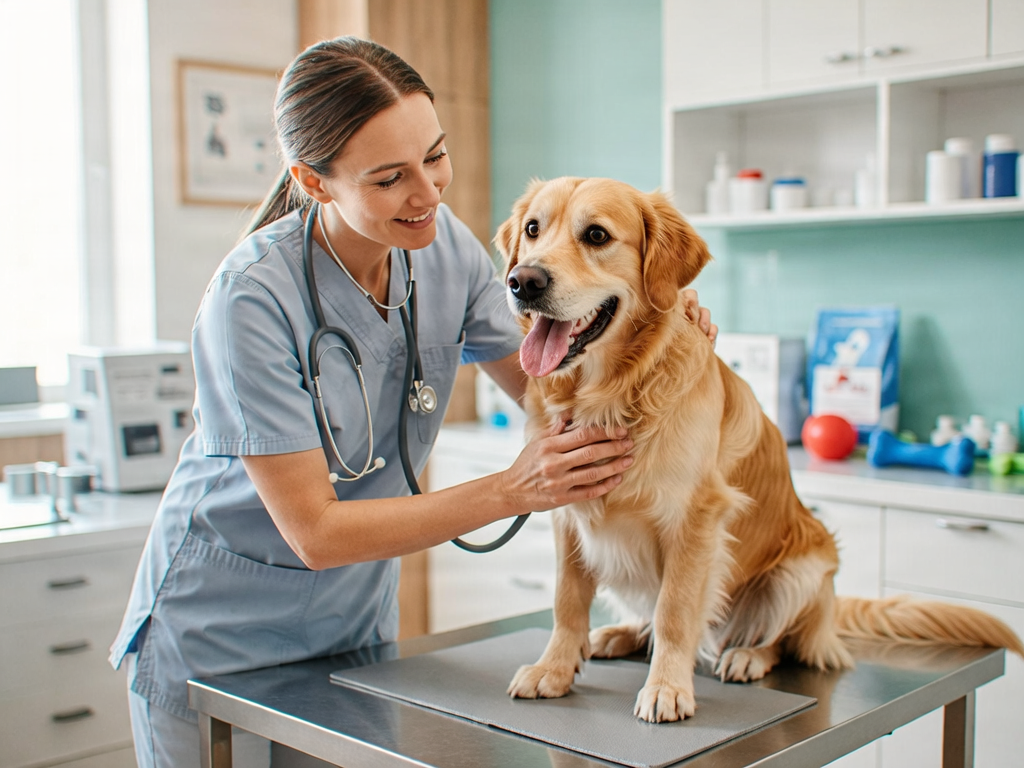
Here’s a secret about veterinarians: they love you. They really do. They love you, they love your dog, and they love the heartwarming photo of your Labrador in a tiny birthday hat.
But behind the exam room door, after the doting and the treats and the “who’s a good boy?” (it’s always the boy, it’s always a good boy), vets are quietly keeping a mental list. A list of the things that walk through their clinic over and over again. The same mistakes. The same “well, he seemed fine” stories. The same sock.
So many socks.
The most common patterns vets point to add up to a handful of repeated mistakes dog owners make. The good news? Almost every one of them is fixable, and none of them make you a bad owner. They make you a normal owner who loves a creature that eats rocks for fun.
Grab a coffee, scoot your dog off your keyboard, and let’s get into it.
1. Treating “Wait and See” Like a Medical Strategy
If there’s one phrase that makes veterinary professionals twitch, it’s “I figured I’d wait and see.”
We get it. Vet visits cost money. Your dog is acting mostly normal. Maybe he’s just a little quiet. Maybe it’s a bad day. Maybe the mysterious limp will magically cure itself, like the weird noise your car makes right up until it doesn’t.
Here’s the problem: dogs are phenomenally good at hiding discomfort. It’s an instinct that goes back to their wild ancestors, for whom looking weak was a bad career move. Your dog may be in real pain and still greet you at the door like you just returned from a decade at sea.
So what should you watch for? Vets generally say these are worth a call sooner rather than later:
- Changes in appetite or water intake. Eating much less (or drinking way more) is one of the earliest warning signs of many health issues.
- Lethargy that lingers. Everyone has a lazy Sunday. A lazy week is different.
- Vomiting or diarrhea that won’t quit. One upset stomach after a garbage-can raid? Probably fine. Repeated episodes, blood, or a dog who can’t keep water down? Call.
- Limping, stiffness, or reluctance to jump. If your dog suddenly decides the couch is too far away, that’s information.
- Changes in bathroom habits. Straining, accidents in a house-trained dog, or constant licking down there all deserve attention.
The golden rule? You know your dog better than anyone. If something feels off, trust that instinct. Vets would much rather say “he’s totally fine, go home and enjoy your day” than “I wish you’d come in last week.”
2. Skipping Prevention (Because Your Dog “Never Goes Anywhere”)
The second most common mistake is the one that sounds most reasonable: “He’s an indoor dog.”
Oh, sweet summer owner. Fleas hitchhike in on your pants. Mosquitoes sneak through doors. Ticks are basically tiny ninjas with a grudge. And your dog’s “never goes anywhere” lifestyle includes a backyard, a walk around the block, and that one time he met a stranger’s beagle at the park.
Prevention is, hands down, the most cost-effective thing in all of dog ownership. That means:
- Staying current on vaccines. Boosters keep serious, sometimes deadly diseases at bay. Your vet will tailor the schedule to your dog’s age, lifestyle, and region.
- Year-round parasite control. Flea, tick, and heartworm prevention isn’t just a “summer thing” in many areas. Ask your vet what’s right for where you live.
- Annual (or more frequent) checkups. A yearly exam is the doggy equivalent of taking your car in before it starts smoking on the highway.
Heartworm in particular is a classic. It’s spread by mosquitoes, it’s serious, and treatment is far harder (and pricier) than the monthly preventive. If you take away one fact from this section, let it be that: prevention is cheaper than the cure, every single time.
3. Feeding Like Every Day Is Thanksgiving
Let’s talk about the elephant in the room. Or rather, the slightly-too-round Labrador in the room.
Vets consistently point to overweight dogs as one of the biggest, most preventable health problems they see. And look, we understand. That face. Those eyes. The dramatic sigh he does when you open the fridge, as if he hasn’t been fed since the Industrial Revolution.
But extra weight puts real strain on a dog’s joints, heart, and overall quality of life. It can contribute to arthritis, diabetes, breathing problems, and a shorter lifespan. In other words, those “just one more” treats are adding up to something very unfunny.
A few friendly ways to course-correct:
- Measure the food. Not “a scoop.” Not “a handful.” Actually measure it. The “eyeball it” method is how 40 pounds becomes 55 pounds.
- Count the treats. Training treats, dental chews, the bit of cheese you slipped him, the toast crust. It all counts. Many vets suggest treats make up only a small slice of the daily intake.
- Learn the body-condition check. You should be able to feel your dog’s ribs under a light layer of padding, and see a visible waist from above. If your dog looks like a loaf of sourdough, it’s time to chat with your vet.
- Skip the “human food buffet.” Some table scraps are harmless; others are genuinely dangerous (more on that in a moment).
And here’s the sneaky part: a lot of owners honestly don’t realize their dog is overweight, because chubby dogs have become so common that “normal” has drifted. Your vet can give you an honest, judgment-free read. Take it as a gift, not a roast.
4. Sharing Snacks That Are Secretly Villains
Speaking of table scraps, this is where things get serious (but we’ll keep the tone light, because we’re not monsters).
Some foods that are perfectly delightful to humans are a real problem for dogs. The usual suspects vets warn about include:
- Chocolate. Especially dark chocolate and baking chocolate.
- Grapes and raisins. Even small amounts can be dangerous for some dogs.
- Onions, garlic, and chives. They can harm a dog’s red blood cells.
- Xylitol. This sugar substitute shows up in sugar-free gum, some peanut butters, and certain baked goods or candies. It’s seriously dangerous for dogs, so always check labels.
- Macadamia nuts. Not a snack worth the risk.
- Alcohol and caffeine. Your dog does not need a latte, no matter how many times he has stared at yours.
- Cooked bones. They can splinter and cause injuries.
The mistake isn’t just giving these foods. It’s also leaving them where a determined dog can reach. Dogs are professional opportunists. A counter is not a barrier; it’s a suggestion. A purse on the floor is a treasure chest. A trash can is an all-you-can-eat buffet with a lid that’s only slightly inconvenient.
If your dog does eat something questionable, don’t wait for symptoms. Call your vet or an animal poison control line right away. Time matters, and many problems are much easier to handle early. And please don’t try to make your dog throw up at home unless a professional tells you to, because that can sometimes make things worse.
5. Skipping the Dental Care Conversation
Here’s a fun fact that is not actually fun: many dogs show signs of dental disease by the time they’re a few years old.
And you’ve probably noticed. Doggy breath has a certain… presence. It enters the room before he does. Owners often shrug it off as “just how dogs smell,” but vets will tell you that persistent bad breath is often a sign that something’s brewing in there.
Untreated dental disease isn’t just about stinky kisses. It can cause pain, tooth loss, and infections, and bacteria from the mouth can affect other parts of the body. All of that because the toothbrush stayed in the drawer.
What helps:
- Brush your dog’s teeth. Yes, really. Use a dog-safe toothpaste (never human toothpaste), start slow, and make it a positive experience with plenty of praise.
- Use approved dental chews or treats. Look for products with a seal of approval from veterinary dental organizations.
- Schedule professional cleanings when your vet recommends them. Some dogs need them more than others.
If your dog treats the toothbrush like a personal attack, you’re not alone. Start by letting him lick the toothpaste off your finger, then graduate to a gentle brush. Think of it as a very small, very slobbery negotiation.
6. Exercising Like a Weekend Warrior (or Not at All)
Dogs need exercise. This is not news. But vets see two very different mistakes on opposite ends of the spectrum.
Mistake A: Not enough movement. A dog who’s bored and under-exercised will find ways to entertain himself, and your couch cushions are about to learn what “destructive” really means. Under-exercised dogs are also more prone to weight gain, anxiety, and behavior problems.
Mistake B: Too much, too fast. The classic weekend warrior. Your dog spends the week on the couch, then Saturday arrives and you decide today is the day you two run a 10K together. Suddenly there’s a sore paw, a pulled muscle, or a sprain, and Monday involves a vet visit.
The sweet spot is consistency. Regular daily walks, age-appropriate play, and gradual increases in activity keep dogs fit and happy. And remember that different breeds and ages have different needs. A young border collie and a senior bulldog are not interchangeable athletes, and your vet can help you find the right fit.
One more note: heat is a big deal. Dogs can’t cool down the way we do, and hot pavement can burn paws. On warm days, walk early or late, bring water, and never, ever leave your dog in a parked car. Not even “for just a minute.” Cars heat up shockingly fast.
7. Forgetting That Brains Need Exercise Too
Here’s one that doesn’t get enough attention: physical exercise isn’t enough. Dogs have clever, busy brains that need something to chew on (figuratively, ideally).
Mental enrichment can include:
- Puzzle feeders and snuffle mats
- Short training sessions (even five minutes counts)
- “Find it” games where you hide treats around the house
- Rotating toys so old ones feel new again
- New walking routes with fresh smells to investigate
A tired dog is a good dog, but a mentally tired dog is a content dog. Sniffing, in particular, is surprisingly exhausting for them. Letting your dog sniff on walks isn’t wasting time; it’s the equivalent of him reading the neighborhood newspaper. Let him catch up on the news.
8. Skipping Training and Socialization (Then Wondering Why There’s Chaos)
Vets don’t just see sick dogs. They see stressed dogs, and a lot of that stress comes down to missed training and socialization.
A dog who’s never learned to handle new people, sounds, and places can find a vet visit absolutely terrifying. And a dog who panics at the clinic is harder to examine, which means problems can be harder to catch. Early, positive experiences go a long way.
Even if your dog is past puppyhood, it’s never too late to build confidence. Some quick wins:
- Practice “handling” at home. Gently touch paws, ears, and mouth, then reward calm behavior. Future vet exams will thank you.
- Do fun “happy visits.” Swing by the clinic just to say hi and grab a treat. No needles involved.
- Teach basic cues. “Sit,” “stay,” and “come” aren’t just party tricks; they can be genuine safety tools.
- Use positive reinforcement. Training based on rewards builds trust. Yelling builds a dog who thinks you’re a weather event.
And if your dog has serious fear or aggression issues, don’t tough it out alone. Your vet can rule out medical causes and point you to a qualified trainer or behaviorist.
9. Ignoring the Slow Stuff: Ears, Skin, Nails, and Weight Creep
Some of the biggest mistakes aren’t dramatic. They’re the quiet, slow-burn kind.
- Overgrown nails. Long nails change the way a dog walks and can lead to discomfort and joint strain. If you hear click-click-click on the kitchen floor, it’s trim time.
- Ignored ears. Head shaking, scratching, odor, or redness can signal an ear infection. Floppy-eared breeds are especially prone.
- Itchy skin. Constant scratching, licking, or chewing isn’t “just a habit.” It can be allergies, parasites, or infection.
- New lumps and bumps. Many are harmless, but it’s always worth having your vet check any new growth. Don’t try to diagnose it yourself with the power of Google and wishful thinking.
A quick weekly “nose-to-tail” check at home is a great habit. Run your hands over your dog, peek in his ears, lift his lips, check between his toes. It takes two minutes and often catches problems early. Bonus: most dogs consider it a free massage.
10. Treating Senior Dogs Like They’re “Just Getting Old”
This one tugs at the heartstrings.
As dogs age, many owners assume that slowing down, stiffness, or confusion is simply part of the deal. And while some changes are normal, many are treatable. Arthritis pain, for example, can often be managed with the right plan. Vision and hearing changes, cognitive decline, and other age-related issues may benefit from support too.
Vets often recommend more frequent checkups for senior dogs, since small changes can add up quickly. Watch for:
- Trouble with stairs or getting up
- Restlessness at night
- Increased accidents
- Sudden behavior changes
- Weight loss or gain
“He’s just old” is something vets hear a lot, and it’s something they’d love to gently challenge. Your senior dog may have many comfortable, happy years left, and a little help can make them even better.
11. Googling Instead of Calling
We’ve all been there. It’s 11 p.m., your dog is making a strange noise, and the internet is very confident that it’s either nothing or the end of the world, with very little in between.
Dr. Google is a wonderful resource for general learning. It is a terrible diagnostician. Online advice is often generic, outdated, or flat-out wrong, and well-meaning forum folks can’t examine your dog.
A few related mistakes vets mention:
- Giving human medications. Common painkillers like ibuprofen and acetaminophen can be dangerous for dogs. Never give medication without your vet’s guidance.
- Stopping prescribed meds early. Finishing the whole course matters, even if your dog seems better.
- Skipping the follow-up. That recheck appointment isn’t an upsell; it’s how your vet makes sure things are healing properly.
Most clinics are happy to answer quick questions, and many offer after-hours guidance or emergency referrals. Save those phone numbers in your phone before you need them. Future You, at 2 a.m., will be extremely grateful.
12. Not Being Prepared for the Unexpected
Last but not least: emergencies happen, and they never happen at a convenient time. (They happen at 9:45 p.m. on a holiday weekend. It’s practically a law of nature.)
A little preparation goes a long way:
- Know your nearest 24-hour emergency vet and keep the number handy.
- Keep a basic pet first-aid kit at home and in the car.
- Make sure your dog has ID. A microchip with up-to-date contact info plus a collar tag is the best combo for bringing a lost dog home.
- Consider pet insurance or a savings fund. A surprise vet bill is much less scary when you’ve planned ahead.
- Keep your dog’s records easy to find, including vaccines, medications, and any conditions.
It’s not the most glamorous part of dog ownership, but it’s one of the most important. Think of it as the boring responsible stuff that lets you enjoy the fun stuff with peace of mind.
The Bottom Line: You’re Doing Better Than You Think
If you read this list and recognized yourself a few times, take a breath. Every dog owner does. Vets aren’t making this list to shame anyone. They’re making it because they want more happy, healthy years for your dog, and because they’ve watched small habits make a huge difference.
The big themes are refreshingly simple:
- Don’t wait on worrying symptoms.
- Invest in prevention.
- Keep your dog at a healthy weight.
- Mind what goes in that mouth (both food and toothbrush).
- Exercise body and brain.
- Build a trusting relationship with your vet.
That last one might be the most important of all. A vet who knows your dog’s history, personality, and quirks is a powerful teammate. Go in for the regular visits, ask the “silly” questions, and be honest about the treats, the table scraps, and the sock incident. They’ve heard it all, and they promise not to judge. (They might tell the story at dinner parties, but they’ll leave your name out.)
Your dog is counting on you for pretty much everything: food, walks, belly rubs, and the occasional fridge-door cheese. In return, he offers unconditional love, a warm spot on the bed, and the world’s most enthusiastic greeting every time you walk in the door.
That’s a pretty good deal. Now go give that good boy (or girl) a scratch behind the ears. They’ve earned it. And maybe lock up the socks.
This article is for general information only and isn’t a substitute for professional veterinary advice. If you’re worried about your dog’s health, contact your veterinarian.